
Mahale Mountains National Park lies on the eastern shore of Lake Tanganyika in western Tanzania. It combines forested mountains, lakeshore beaches, and dense jungles. The terrain rises from lake level up into the dramatic slopes of the Mahale Mountains, culminating in the peak Mount Nkungwe at about 2,462 meters above sea level. This unique geography — where mountains meet lake and forest — creates a remarkable wilderness environment that remains remote and largely undisturbed.
The park covers about 1,650 square kilometers. Within this area are rainforests, bamboo zones, montane forest, miombo woodlands, and riverine forest — all cascading down to white-sand beaches on Lake Tanganyika. Because of its isolation and lack of internal roads, Mahale retains an air of pristine wilderness.
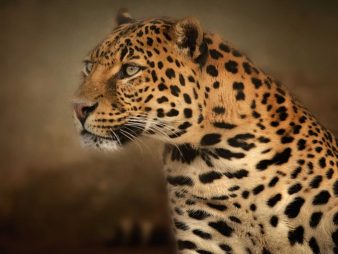
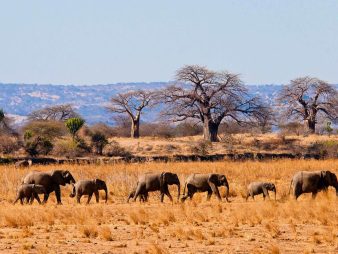
Mahale is best known for its wild population of chimpanzees. It houses one of the largest remaining populations of eastern chimpanzees, many of which are habituated to human presence, making it possible to observe their behaviors up close. But its biodiversity goes far beyond chimps: primates such as red colobus monkeys, blue monkeys, yellow baboons, vervet monkeys, and red-tailed monkeys live among the forests. Other mammals — including leopards, bush pigs, forest pigs, and occasionally African elephants in the lowland forest zones — add to the rich wildlife tapestry.
At the lakeshore, crystal-clear water and sandy beaches meet lush mountains and forest. The lake supports aquatic life, while hippos and crocodiles inhabit lagoons and mangroves. Wetlands, forests, and lake margin zones combine to support a huge variety of birdlife — forest birds, waterbirds, raptors, and migratory species — making Mahale a birdwatcher’s treasure.
This blend of mountain, forest, and lake ecosystems — together with its remote, road-free nature — gives Mahale a rare, magical quality: a place where primates, forest dwellers, fish, and lake life all converge in wild harmony.
Popular Activities
Chimpanzee Trekking & Wildlife Tracking
The most renowned activity in Mahale is chimpanzee trekking. Each morning, small groups and experienced guides set out into forest trails to track calls, broken branches, or signs of chimp movement. Because the chimpanzees are habituated, visitors often witness them grooming, playing, foraging, and interacting — sometimes at close range on the forest floor. Seeing these intelligent primates in their natural environment is a moving, unforgettable experience.
Beyond chimps, the forest is alive with other primates: red colobus monkeys, blue monkeys, vervet monkeys, yellow baboons, and red-tailed monkeys. Walking quietly through the forest often reveals family groups of monkeys, playful youngsters, and the rustle of animals in the undergrowth. Mammals such as bush pigs, forest hogs, and even forest elephants may appear on forest edges, especially near water sources or during dawn and dusk drives.
Hiking & Mountain Trekking
Adventurous visitors can hike toward Mount Nkungwe, the highest peak of the Mahale Mountains. The trek offers a dramatic change of habitat and altitude, climbing through forest and bamboo zones up to montane forest and ridgelines. From the summit, panoramic views of Lake Tanganyika, forested slopes, and the vast wilderness below reward hikers. The combination of mountain air, forest scents, and sweeping lake views makes the hike a highlight for active travelers.
Lake Tanganyika Waters & Beaches
Mahale’s coastline on Lake Tanganyika offers a contrasting aquatic environment. Pristine sandy beaches along the lake invite relaxation, scenic walks, and sunrise or sunset watching. The clear lake water is ideal for swimming, and many camps or lodges also offer snorkeling or freshwater-fish observation, thanks to the lake’s many endemic fish species. For those who want a gentler pace after forest trekking, relaxing by the lake’s edge — watching waterbirds, hippos, or simply enjoying quiet — offers a peaceful, beautiful experience.
Birdwatching & Nature Observation
With more than 350 recorded bird species, Mahale is a top destination for birdwatchers. Forest zones are alive with sunbirds, turacos, kingfishers, and forest raptors, while lake edges and wetlands attract waterbirds, herons, fish-eagles, and migratory species. Early morning and late afternoon walks or boat rides along the lake often reward birders with colorful sightings and vivid bird calls echoing through forest and over water. Butterflies, reptiles, and forest flora also enhance the feeling of deep wilderness, giving nature lovers a full sensory experience.
Boat Rides & Lake-Based Exploration
Because Mahale has no roads inside the park, much access and transport rely on Lake Tanganyika. Boat safaris along the shore or across tranquil waters allow visitors to view forest-clad mountains rising out of the lake, watch fish, aquatic life, hippos, and enjoy lake breezes and sunset reflections. The combination of water, forest, and mountains — seen from a boat — offers a perspective different from forest trekking or mountain hikes. It’s a gentle, reflective way to connect with Mahale’s layered ecosystems.
When to Visit
Mahale can be visited throughout the year. Its remote nature means that conditions and experiences vary with the seasons, and the choices you make — dry vs wet season, trekking vs lake time — shape what you see. The park remains accessible by boat or arranged flights, but rainfall and seasonal changes influence chimpanzee behavior, trail conditions, lake clarity, and overall atmosphere.
During the dry season, forest trails and mountains are easier to hike, chimpanzee trekking becomes more straightforward, and lake water clarity improves. The lake becomes great for snorkeling or relaxation. In the wet season, forest and lush vegetation come alive. Rain transforms the mountainsides into vibrant green slopes, waterfalls emerge, and the canopy becomes denser. Birdlife flourishes, waterfalls flow, and the forest feels rich and alive.
Because the park has no internal roads and relies on forest trails, dry conditions often make movement easier and safer. Wet paths may be muddy or slippery, and some days may be more challenging for trekking. Visitors should therefore consider rainfall timing, access logistics, and personal comfort when planning their trip.
Best Time to Visit
The ideal period to visit Mahale Mountains National Park is during its dry season, roughly from June to October. During these months:
-
Trails are drier and safer for forest walks or hikes up the mountains.
-
Chimpanzees tend to descend from higher slopes and concentrate in lower forest areas, making them easier to locate.
-
Lake Tanganyika’s water becomes clearer, improving snorkeling and swimming conditions.
-
Weather is generally pleasant: warm during the day, cooler at night, with lower rainfall and stable conditions.
-
Visitor numbers remain relatively low compared to major national parks, preserving the remote, tranquil atmosphere.
For those interested in lush forest scenery, birdwatching, and dramatic green landscapes — the wetter months (roughly November to May) offer a different kind of beauty. Forests become dense and vibrant, waterfalls swell, and migratory birds arrive. However, treks may be more demanding and lake water may be less clear.
Despite seasonal shifts, Mahale remains a year-round destination. The dry season stands out for the combination of ease, visibility, wildlife concentration, and comfortable weather — making it the best time for most visitors aiming for chimp trekking, hiking, and lake activities.
Mahale Mountains National Park offers a rare blend: forested mountains, a great freshwater lake, humid jungles, pristine beaches, rich primate life, quiet wilderness, and challenging treks. For travelers seeking a deep, immersive, and off-the-beaten-path safari experience — this park delivers a powerful, multi-layered encounter with Tanzania’s wild west.