
Murchison Falls National Park is Uganda’s largest and oldest conservation area, celebrated for its dramatic landscapes, diverse wildlife, and the powerful Murchison Falls—one of Africa’s most spectacular natural wonders. Situated in the northwestern part of the country, the park is bisected by the mighty River Nile, creating a rich ecosystem that supports a variety of wildlife and lush vegetation. The combination of savanna plains, tropical forests, riverine environments, and rugged terrain makes this park a remarkable destination for travelers seeking a classic yet distinctive African safari experience.
The highlight of the park is the iconic Murchison Falls, where the River Nile plunges through a narrow, rocky gap before bursting into a thunderous cascade. This extraordinary display of raw natural force is one of the most photographed and admired attractions in Uganda. Surrounding the falls is a vast wilderness teeming with wildlife, making the park an ideal place for exploration, relaxation, and immersion in nature.
Quick Facts About the Destination
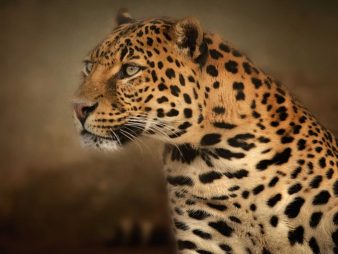
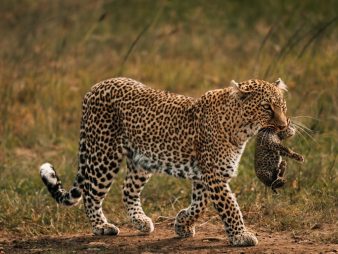
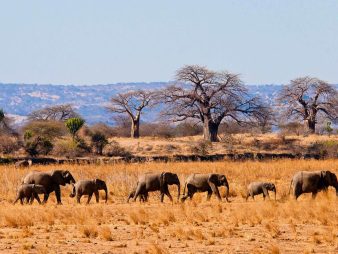
Murchison Falls National Park covers approximately 3,893 square kilometers, making it the largest protected area in Uganda. Its size, along with the diverse habitats created by the Nile and its tributaries, supports an impressive array of wildlife. The park is home to over 76 mammal species, including elephants, giraffes, lions, leopards, buffaloes, hyenas, hippos, and crocodiles. Notably, it hosts the largest population of Rothschild’s giraffes in the country, a rare and endangered subspecies that thrives in this region’s open grasslands.
The park is also renowned for its bird diversity, with more than 450 recorded species. The riverbanks and wetlands support abundant waterbirds, while the savannas and forests shelter numerous raptors, songbirds, and migrants. The rare shoebill stork is one of the most sought-after species for bird enthusiasts visiting the park’s swampy areas.
Murchison Falls is the central landmark of the park. The falls are formed as the River Nile is forced through a narrow six-meter-wide gorge before exploding into a 43-meter drop, producing a dramatic mist and thunderous roar. This experience provides a vivid reminder of the immense power of nature and gives the park its distinctive character.
The park’s location also brings significant cultural heritage. Nearby communities reflect a rich blend of traditions, and visits to these villages offer deeper insight into the region’s history and way of life. Additionally, the adjacent Budongo Forest Reserve, known for its large population of chimpanzees, adds another layer of biodiversity and ecological significance to the area.
Popular Activities
Game drives are one of the main attractions at Murchison Falls National Park. The northern sector of the park, with its expansive savanna plains, provides ideal conditions for wildlife viewing. Visitors can encounter elephants, giraffes, lions, buffaloes, warthogs, antelopes, and a wide variety of bird species. Morning and late afternoon drives are particularly rewarding, offering excellent light for photography and higher chances of seeing predators.
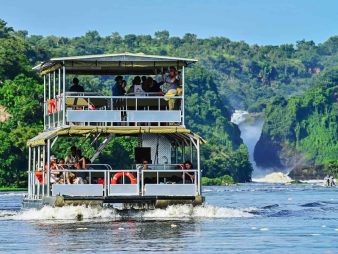
Boat safaris along the Nile are a defining experience. The cruise to the base of Murchison Falls is especially popular, offering close-up views of hippos, crocodiles, elephants, and numerous bird species along the riverbanks. The journey builds anticipation as the falls come into view, creating a memorable combination of wildlife watching and scenic beauty. Another option is the downstream cruise toward the Nile–Lake Albert Delta, an area known for exceptional birdwatching and tranquil river scenery.
Hiking to the top of Murchison Falls is an exhilarating experience that showcases the full force of the Nile. The trail ascends through rocky terrain to a viewpoint directly overlooking the narrow gorge. Standing at the top provides a dramatic vantage point for observing the river’s power and the turbulent waters below.
Chimpanzee tracking in Budongo Forest is a popular extension to the Murchison Falls experience. Visitors walk through ancient mahogany forests as they follow the calls and movements of chimpanzee families. The forest also hosts several primate species, woodland birds, and vibrant flora, making the experience rich and diverse.
Nature walks and birdwatching excursions allow travelers to explore the quieter corners of the park. These activities reveal unique plant species, butterflies, smaller mammals, and birds that might be missed on game drives. The Nile’s banks and the delta region are especially rewarding for bird enthusiasts.
Cultural visits to nearby communities add depth to the safari experience. Interacting with local residents, participating in traditional performances, and learning about fishing or agriculture provide meaningful insights into life around the park.
When to Visit
Murchison Falls National Park is accessible year-round, and each season brings its own appeal. The wet seasons occur from March to May and from October to November. During these months, the landscape becomes lush and vibrant as rains nourish the vegetation. Wildlife sightings can be more dispersed due to the availability of water throughout the park, but the scenery is particularly beautiful. Birdwatching flourishes during the wet periods, especially with the arrival of migratory species.
The dry seasons, from December to February and June to September, offer optimal conditions for wildlife viewing. Animals gather near water sources, making sightings more frequent and predictable. Road conditions are generally better, making it easier to explore different areas of the park. These months are also favorable for boat safaris and hikes, as rain is less likely to interrupt outdoor activities.
Best Time to Visit
The best time to visit Murchison Falls National Park is during the dry seasons, especially from December to February and June to September. These months provide ideal weather for game drives, boat safaris, hiking, and chimpanzee tracking. Wildlife concentrations are higher near the Nile, visibility is clearer, and overall conditions are excellent for photography and exploration. Travelers seeking the most reliable and rewarding experience often choose these periods for their visit.