
Katavi National Park is one of Tanzania’s most remote and least-visited wildlife destinations, offering an untouched wilderness that feels far removed from the traditional safari routes. Located in the far west of the country, the park spans vast floodplains, miombo woodlands, seasonal rivers, and dense vegetation that support remarkable wildlife diversity. Its isolation creates an authentic sense of adventure, where visitors experience nature in its rawest form without the presence of crowds. The park’s sense of seclusion and scale makes it a rare refuge for travelers seeking a deeply immersive safari in an environment that remains largely untouched by modern development.
Quick Facts About the Destination
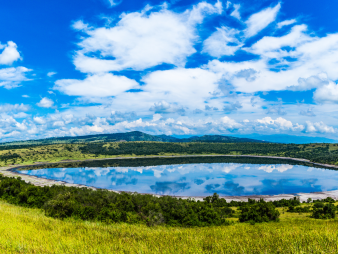
Katavi National Park covers approximately 4,500 square kilometers, making it one of Tanzania’s largest protected areas. Despite its size, the park receives very few visitors compared to other major destinations, allowing it to maintain an undisturbed ecosystem. The landscape is dominated by the expansive Chada and Katisunga plains, which act as gathering points for wildlife during the dry season. These open floodplains are bordered by riverine forests and woodlands, creating a variety of habitats that sustain numerous species throughout the year.
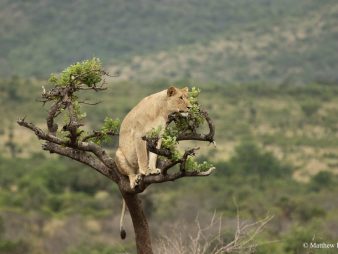
The park is particularly known for its exceptionally high concentrations of hippos and crocodiles, especially along the Katuma River and its associated pools. During the dry season, the hippo pods can number in the hundreds, creating an extraordinary natural spectacle. Katavi also supports large herds of buffalo, often numbering in the thousands, making it one of the few places where such massive herds still thrive. Elephant populations are abundant, and predator species such as lions, leopards, hyenas, and occasionally wild dogs add to the park’s impressive wildlife portfolio.
Katavi’s remote location is part of its appeal. Access often requires specialized arrangements by air, which contributes to its exclusivity and preserves its pristine character. The surrounding region is home to traditional communities, including the Bende and Pimbwe people, whose cultures are shaped by the landscape and wildlife. Their presence enriches the region’s heritage and highlights the deep connection between human history and the natural environment.
Popular Activities
Game drives are the cornerstone of any visit to Katavi National Park, offering exceptional opportunities to witness dramatic wildlife scenes. The vast plains provide wide-open visibility, and during the dry season, the concentration of animals around the remaining water sources creates continuous activity. Large herds of buffalo graze across the floodplains, elephants move between woodlands and riverbanks, and predators frequently patrol the area. The sheer scale of wildlife interactions in Katavi can be striking, with scenes reminiscent of a bygone era of African wilderness.
Walking safaris are a standout activity in Katavi, providing a deeper connection to the environment. The park’s expansive wilderness and minimal human presence make it an ideal setting for exploring on foot. Guided walks allow visitors to observe details such as animal tracks, nesting birds, hidden insects, and the subtleties of the landscape that are often overlooked during vehicle-based exploration. The sense of solitude and immersion during a walk in Katavi is profound, enhancing appreciation for the park’s untouched beauty.
Riverbank observation is another engaging experience, particularly around the Katuma River and its associated wetlands. As the dry season intensifies, these areas become hotspots of wildlife activity. Hippos crowd together in shrinking pools, often leading to dramatic interactions within their pods. Crocodiles bask along the muddy banks, and a steady flow of animals comes to drink throughout the day. Observing these dynamic scenes provides insight into the delicate balance of survival in Katavi’s rugged ecosystem.
Birdwatching is equally rewarding, with hundreds of species thriving in the park’s diverse habitats. Seasonal floods attract waterbirds such as storks and pelicans, while the woodlands provide shelter for raptors, colorful bee-eaters, and numerous smaller species. Photographers also find Katavi exceptional due to its dramatic seasonal contrasts, wide-open vistas, and abundance of wildlife. The golden light during early mornings and late afternoons enhances the visual experience, creating ideal conditions for capturing striking images.
When to Visit
Katavi National Park experiences distinct wet and dry seasons, each shaping the environment in unique ways. The wet season, typically from November to April, transforms the plains into lush wetlands. Floodwaters spread across the landscape, creating a vibrant environment filled with greenery and attracting migratory birds. During this period, wildlife disperses throughout the park as water becomes widely available. While the scenery is beautifully rejuvenated, access can be more challenging due to the remote location and seasonal conditions.
The dry season, usually from June to October, brings a dramatic shift. Water sources diminish, drawing wildlife from all corners of the park toward the remaining rivers and pools. This creates superb viewing opportunities, as animals gather in large numbers and interactions become more frequent. The plains become dusty and parched, offering a stark but striking contrast to the lushness of the wet months.
Best Time to Visit
The best time to visit Katavi National Park is during the long dry season from June to October. This period provides optimal conditions for wildlife viewing because animals concentrate heavily around the Katuma River and remaining waterholes. Predator-prey interactions become more visible, and the plains host large herds that are rarely seen in such numbers elsewhere. The reduced vegetation enhances visibility, making it easier to observe both large mammals and predators across the open landscape.
For travelers seeking dramatic wildlife encounters and the most accessible conditions, the dry season stands out as the ideal time. However, those who value solitude and lush scenery may appreciate the quieter, greener months. Regardless of the season, Katavi’s remote character and unspoiled wilderness ensure a deeply rewarding safari experience.