
Nyerere National Park sits in southern Tanzania and represents one of Africa’s greatest wildlife wildernesses. This massive protected area—covering a vast mix of rivers, woodlands, floodplains, miombo forest, grasslands and lake systems—is home to incredible biodiversity. The park offers a different safari vibe compared to the busy northern parks: it’s wild, often quiet, remote, and full of surprises. Wide-open spaces meet dense forests and the mighty river systems offer water, life, and lush green zones across seasons. Nature here feels ancient, raw, and largely untouched.
Quick Facts about Nyerere National Park
-
Nyerere National Park covers one of the largest protected wildlife areas in Africa. It spans a huge area, making it ideal for species that roam widely or need large home ranges.
-
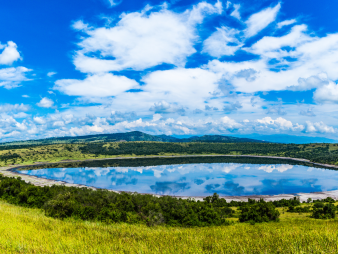
Water is central: the mighty Rufiji River winds through the park, feeding lakes, floodplains, channels and wetlands. These water systems support hippos, crocodiles, aquatic birds, and draw mammals from dry zones during dry periods.
-
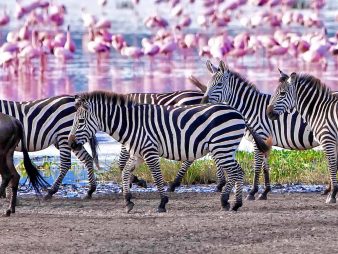
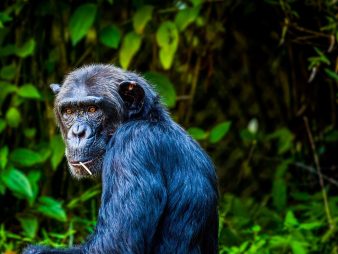
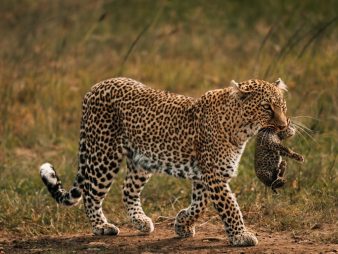
Wildlife diversity is rich. Nyerere hosts elephants, buffaloes, giraffes, zebras, various antelopes, wildebeest, hippos, crocodiles, hyenas, lions, leopards, and even endangered species such as African wild dogs and black rhinos (though rhino sightings remain rare).
-
The park’s birdlife is outstanding — over 430 bird species have been recorded. Water birds, raptors, woodland birds, and migratory species all find refuge here thanks to rivers, wetlands, forest and open plains.
-
Because of its vast size and varied habitats — riverine systems, forests, floodplains, woodland and open plains — Nyerere offers a wide variety of safari tones: boat safaris, walking safaris, traditional game drives, and remote wilderness experiences.
This combination of scale, habitat variety and diverse wildlife makes Nyerere a top choice for travelers seeking real wilderness away from crowded circuits.
When to Visit & Best Time to Visit
Seasonal Overview
Nyerere experiences two broad seasons: a dry season and a wet (green) season. Each season gives a different face to the park — different scenery, different wildlife behavior, and different benefits for travelers.
-
Dry Season (June to October / sometimes up to November): This is widely regarded as the best period for wildlife viewing and general safari activities. As water becomes scarce away from permanent rivers and wetlands, animals concentrate around the Rufiji River, lakes and watering holes. Game drives and boat safaris become highly productive.
-
Wet/Green Season (November to May): Rain rejuvenates the landscape. Floodplains widen, wetlands and channels fill, vegetation becomes lush, and birdlife peaks. This period is ideal for birdwatching, spotting newly born animals, and enjoying lush scenery.
Best Time Windows by Interest
-
For classic safari & maximum wildlife sightings: June to October — animals cluster around water, dry roads make travel easier, and large mammals (elephants, buffaloes, hippos) and predators are easier to find.
-
For birding, lush landscapes & nature photography: November to February (early wet season) or after rain spells — good for migratory and resident birds, green scenery, dramatic skies and water reflections.
-
For remote experience, fewer crowds, and slower pace: The green season offers quiet, tranquil vibes and the chance to experience wilderness without many other tourists — though travel logistics can be more challenging.
Practical Notes
During dry season, daytime temperatures tend to hover between 25–30 °C, with cooler nights. Skies are often clear, vegetation thinner, and wildlife concentrated.
During wet season, heavy rains may occasionally make some tracks slippery or difficult — some remote areas may become less accessible. Still, this season offers rewarding birdlife, dramatic green scenery, and newborn wildlife.
Popular Activities in Nyerere National Park
Game Drives & Wildlife Viewing
Game drives remain the classic way to explore Nyerere’s vast landscapes. Open-top safari vehicles or 4×4 jeeps traverse miombo woodlands, savannah plains, floodplains and riverine forest. Because of the park’s size and terrain variety, you may travel through totally different habitats in a single day — offering chances to see elephants grazing, giraffes browsing, buffalo herds, zebras, wildebeest, and antelopes scattered across plains. Predators like lions and leopards roam large territories here, and with luck you may spot them on hunt or resting under shade.
Where water recedes in dry season, rivers, lakes, and waterholes become gathering points — a magnet for wildlife. These zones often deliver reliable sightings of large mammals, hippos, crocodiles, elephants, and buffaloes.
Boat Safaris & River-Based Exploration
One of Nyerere’s standout features is its rivers and water networks — especially the Rufiji River. Boat safaris offer a completely different safari experience: drifting past hippos, crocodiles basking on banks, waterbirds, flooded plains, and lush riverine habitats. This gives access to fauna that might be missed on land — aquatic species, river-dependent mammals, and waterbirds galore.
Boat safaris also provide a calm, slow-paced way to observe nature — ideal for photography, birdwatching, or simply soaking in the serenity of flowing water, wetland forest, and lush banks.
Walking Safaris & Guided Nature Walks
Because Nyerere is less crowded than major northern parks, and has vast tracts of wilderness, guided walking safaris are possible in select zones. Walking gives a different rhythm: you may spot tracks, small mammals, birds, swamp life, insects, and subtle signs of wildlife that driving might miss. Forested zones near rivers or floodplains often offer rich ground-level biodiversity worth exploring on foot.
Walking also gives a deeper sense of scale, habitat complexity, and an immersive way to experience wilderness — from seasonal grasslands to miombo woodlands.
Birdwatching & Avian Diversity
For bird lovers, Nyerere National Park is a treasure trove. With over 430 bird species recorded, the park’s rivers, floodplains, forest edges, woodlands and open plains each host different bird communities — from fish eagles and storks to bee-eaters, kingfishers, hornbills, migratory waders, and many more. Wet season and transitional periods especially bring abundant waterbirds and migrants, while drier months concentrate birds around rivers and lakes.
Early morning or late afternoon boat rides or drives, combined with binoculars and a good guide, often reward birdwatchers with sightings of rare or shy species.
Remote Wilderness & Off-The-Beaten-Path Safari
What distinguishes Nyerere is its scale and remoteness. It’s less visited than the northern parks, which means fewer vehicles, fewer crowds, and more chance for solitude. For travelers seeking deep wilderness — long remote drives, wild riverbanks, flooded plains, quiet forests — Nyerere offers a safari experience closer to raw nature. Travel here often feels like exploration rather than tourism.
Photography & Scenic Variety
Because of its mix of ecosystems, Nyerere gives photographers a wide palette: river scenes with hippos and crocodiles; woodland glades with elephants or buffaloes; flooded plains reflecting sky and trees; afternoon light over tall grass; birdlife on water or in flight; night-time visuals near river banks. The combination of water, woodland, open plains, and wetland creates dynamic, often dramatic photographic possibilities.