
Serengeti National Park is one of Africa’s most iconic safari destinations. It is a land of endless horizons, sweeping plains, dramatic wildlife encounters, and rich ecosystems. The park sits in northern Tanzania and forms the heart of the Serengeti–Mara ecosystem. The moment you enter the plains, you feel the power of untouched wilderness. The open landscapes stretch far into the distance. Wildlife roams freely. Nature feels raw, real, and incredibly alive.
The name “Serengeti” means “endless plains,” and when you see the vast grasslands flowing into the horizon, the meaning becomes clear. This is a land shaped by seasons, migration, life, and survival. It is home to the world-famous Great Wildebeest Migration, where millions of animals move in a powerful cycle. It is also home to immense predator populations, including lions, leopards, cheetahs, hyenas, jackals, and a thrilling mix of plains wildlife.
Serengeti is more than a national park. It is one of the greatest natural spectacles on earth. Every visit feels different. Every day reveals something new. It is a place where nature writes its own unforgettable stories.
When to Visit Serengeti National Park
Serengeti National Park is a year-round safari destination. Each season brings its own charm, making the experience exciting no matter when you travel. Your visit depends on what you want to see. The dry season offers intense wildlife viewing and dramatic migration scenes. The wet season brings lush beauty, new life, and incredible birdwatching opportunities.
Because the park is so vast and full of permanent wildlife, there is no “bad” time to visit. Animal numbers remain high across the plains. Predators stay active. Landscapes shift with the seasons. The park offers rewarding safaris whether you come for drama, scenery, photography, or peace.
Best Time to Visit
June to October – Peak Wildlife Viewing
These dry months are considered the best overall time to visit Serengeti. Grass is shorter. Water becomes limited. Animals gather around remaining rivers and waterholes. This concentration makes wildlife easier to spot.
These months also offer some of the most dramatic moments of the Great Wildebeest Migration. During July, August, and September, herds move through the central and northern Serengeti. River crossings in the north often peak during this time. Thick herds push through strong currents. Crocodiles lurk in deep sections. The atmosphere is intense and unforgettable.
Clear skies, cooler mornings, and lower humidity make this season comfortable for long game drives. Visibility is excellent. Predators stay active. You enjoy some of the most consistent wildlife sightings in Africa.
November to May – Green Season Beauty
The wet season transforms the plains into lush green landscapes. This period feels serene and refreshing. Grass grows tall. Rivers flow strongly. Wildflowers appear. The scenery becomes vibrant and alive.
A major highlight of this season is the calving period. From December to March, the southern Serengeti becomes the nursery of the migration. Hundreds of thousands of newborn wildebeest and zebras take their first steps. This attracts predators, creating thrilling interactions for visitors.
Birdwatching peaks in this season. Migratory birds arrive in large numbers. Waterbirds thrive along rivers and seasonal pools. Photographers love this period because the soft light and dramatic skies create striking images.
The green season also has fewer visitors, giving the park a calm and intimate atmosphere.
Quick Facts About Serengeti National Park
A Vast and Diverse Ecosystem
Serengeti covers thousands of square kilometers. It includes open plains, rocky outcrops, woodlands, river valleys, and rolling hills. These different habitats support huge animal populations and offer varied safari experiences.
Home to the Great Wildebeest Migration
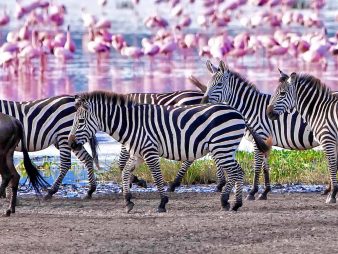
Over a million wildebeests, along with zebras and gazelles, make a circular journey through the ecosystem each year. Their movement shapes life in the park. It is the largest land-based migration on the planet and one of nature’s greatest events.
Powerful Predator Population
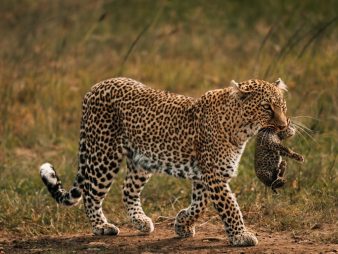
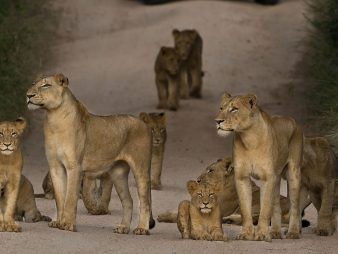
Serengeti holds one of the highest predator densities in Africa. Lions roam in large prides. Leopards hide on tree branches or kopjes. Cheetahs sprint across the open plains. Hyenas and jackals patrol endlessly. Every day brings the possibility of watching predator behavior.
Rich Birdlife
More than 500 bird species live in Serengeti. From majestic raptors to colorful songbirds, the skies and plains are full of bird activity. Wet seasons attract migratory birds, boosting the diversity even more.
Iconic Kopjes
Kopjes are ancient rock formations rising from the plains. They provide shelter to animals, resting points for predators, and scenic photography spots. Some of the most famous lion prides rest on these rocky outcrops.
Unmatched Scenery
The wide-open plains of Serengeti create powerful, sweeping views. Sunrise and sunset cast golden light across the grasslands, making the landscape glow. The feeling of space and freedom is unmatched.
Popular Activities in Serengeti National Park
Game Drives
Game drives are the heart of every Serengeti safari. The open plains make wildlife easy to see. Vehicles travel across different zones — from central plains to northern riverbanks. Sightings often include elephants, giraffes, buffalo, zebras, antelopes, and predators.
Morning and evening drives offer the best light and animal activity. Many visitors witness lion hunts, cheetahs scanning the horizon, leopards on rocks, or hyenas moving in groups. Every drive feels like a new adventure.
Witnessing the Great Migration
Seeing the Great Migration is one of the most powerful wildlife experiences on earth. The movement of huge herds across the plains creates unforgettable scenes. Depending on the time of year, you may watch:
-
Newborn calves in the south
-
Giant herds grazing in central Serengeti
-
Dramatic river crossings in the west or north
-
Tense standoffs with predators
The energy of the migration is magical. Hoofbeats echo across valleys. Dust rises from moving herds. Predators follow closely. It is nature’s drama at its finest.
Birdwatching
Birdwatching in Serengeti is rich and rewarding. The diversity of species creates endless discovery moments. You may spot eagles soaring above kopjes, secretary birds hunting in the grass, colorful rollers perched on branches, or large waterbirds feeding near rivers.
Wet season brings migratory birds and breeding activity, making it an ideal time for bird lovers.
Hot Air Balloon Safaris
A hot air balloon safari offers a unique viewpoint. Floating above the plains at sunrise reveals the full scale of the ecosystem. You may see herds moving below, rivers winding through valleys, and predators beginning their early hunts. The experience is peaceful, breathtaking, and unforgettable.
Nature Photography
Serengeti is a paradise for photographers. The changing light, vast landscapes, dramatic wildlife moments, and seasonal colors offer endless opportunities. Sunrise, sunset, storms, dust, and movement create dynamic scenes perfect for capturing the essence of the wild.
Walking Safaris in Designated Areas
Some parts of Serengeti allow guided walking safaris. These walks bring you close to the smaller details of the wilderness. You feel the ground beneath your feet. You listen to bird calls. You learn about tracks, insects, plants, and animal behavior. The experience is immersive and raw.
Calving Season Encounters
During calving season in the southern plains, thousands of animals give birth. New life fills the landscape. Predators gather, creating high tension and gripping moments. Visitors often see powerful scenes of survival, protection, and instinct. This period is emotional, dramatic, and deeply memorable.