
Lake Mburo National Park is one of Uganda’s most accessible and intimate safari destinations. It lies in the western region of Uganda, south of the equator, and is known for its gentle landscape, mixture of savannah, woodland, lakes and wetlands, and relatively small size — all of which make it ideal for relaxed, close-up wildlife experiences. The park offers a rare blend: easy reach from major towns, a variety of habitats, and wildlife you can explore at a leisurely pace rather than a long overland journey.
Quick Facts About the Destination
Lake Mburo spans roughly 370 square kilometers, making it one of Uganda’s smaller national parks. Despite its compact size, the park’s terrain is diverse: rolling hills, acacia savannah, wooded patches, swamps, lakes and the eponymous Lake Mburo itself. The altitude ranges around 1,300 to 1,500 meters above sea level, giving it a temperate climate — days are warm, nights often cool, and rainfall is moderate.
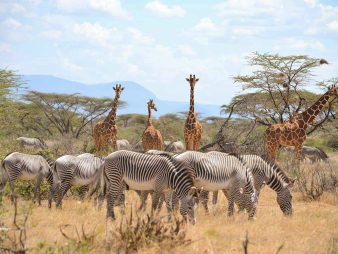
Because of its mixture of savannah, woodland, wetlands and open water, Lake Mburo supports a wide variety of species. Zebras and impalas are common. Other grazers include buffalos, waterbucks, elands, reedbucks, oribis and bushbucks. Hippos and Nile crocodiles inhabit the lake and its shallow bays. Many antelopes and other mammals roam in relative freedom. Predators are fewer than in larger parks, but spotted hyenas, leopards and servals lurk, and there is a chance to see them, especially near nightfall.
Birdlife is rich and varied, with more than 350 species recorded. Waterbirds — herons, kingfishers, hornbills, fish eagles — gather near the lake and wetlands. Woodland and savannah birds inhabit forest patches and grasslands. Migratory species use the park as a stop-over or seasonal refuge. The presence of woodlands, water and open plains in close proximity makes birdwatching especially rewarding.
The proximity of Lake Mburo to major towns — about 4 to 5 hours by road from the capital — makes it one of the most reachable safari parks in Uganda. This ease of access, combined with the park’s modest size and peaceful ambiance, makes it suitable for short trips, weekend getaways, or combining with a broader Uganda itinerary. The small scale often offers more personalized, flexible safari experiences compared to larger, more remote parks.
Popular Activities
Game Drives & Wildlife Viewing
Game drives are a central highlight of Lake Mburo. Because the park is compact, you don’t need long, rough drives — many of the best sightings are within short distances. Morning and late afternoon drives reveal herds of zebra and impala grazing, buffalos moving toward water, and hippos emerging or submerging near lake shores. Dry season drives often bring animal concentrations near shrinking water sources, increasing the likelihood of sightings.
Vegetation in woodlands and along ridges offers shaded corridors where species like bushbucks, reedbucks or oribis hide. Spotting more elusive animals — such as bush pigs, servals or marsh dwellers — becomes possible, especially if you drive slowly and attentively. Even with fewer large predators, the park’s mix of wetlands and woodland creates a mosaic of habitats where wildlife variety remains high.
Boat Rides & Water-Based Wildlife Encounters
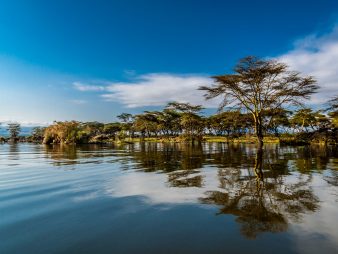
One of the most memorable ways to appreciate Lake Mburo is via boat ride on the lake or connected water channels. On water you may observe hippos surfacing, crocodiles basking on banks, waterbirds fishing or resting, and occasional elephants or buffalos approaching water for a drink. The calm water, reflections of trees, and the possibility of aquatic life create a totally different safari rhythm than land drives.
These boat rides give a close-to-water vantage point — particularly magical at sunrise or sunset when light softens and animals gather at the water’s edge. For birdwatchers, water and marsh zones often deliver excellent sightings: kingfishers, herons, fish-eagles, and migratory or wetland species cluster along shorelines, reeds, and open patches.
Walking Safaris & Night Drives
Because Lake Mburo is manageable in size and relatively quiet, walking safaris are possible and highly rewarding. Guided walks through woodland patches, along lakeshores or across ridges bring you close to ground-level forest life: smaller mammals, bird activity, insects, plant diversity, and forest floor textures seldom visible from a vehicle. Walking allows a slower pace and deeper immersion — ideal for travelers seeking a more intimate nature experience.
At certain lodges, night drives may be allowed under guided conditions. This opens the possibility to see nocturnal creatures: hyenas, bush pigs, servals, civets or even spotted genets. The ambiance under moonlight or spotlight suits those who appreciate the mystery and quiet of a wilderness at night.
Birdwatching & Nature Photography
Lake Mburo’s varied terrain — woodland patches, open plains, wetlands, lakeshores — creates habitat overlap that supports very diverse birdlife. Early morning and late afternoon provide ideal light and bird activity times. Whether perched on acacia branches, flying over wetlands, or skirting along forest-edge shadows, birds provide constant movement and color, making each moment rich for observation.
For photographers, the park offers a stunning palette: low morning mist over water, golden light on grazing zebras, silhouettes of hippos against shimmering lake surfaces, close encounters of deer-like antelopes at water’s edge, reflective wetlands, colourful birds in flight or perched — a variety of scenes combining serenity and wildlife vitality.
Cultural & Community Encounters Near the Park
Because the park lies relatively close to settled areas, visitors can combine their safari with cultural experiences in nearby communities. Engaging with local villagers, learning about traditional livelihoods, farming practices, or community conservation efforts helps round out the visit with human context. Such visits often remind travelers of the balance between people and protected natural areas — and support the relationship between local communities and conservation.
When to Visit
Lake Mburo National Park can be visited all year. Because the climate is moderate and the park’s habitats remain functional through much of the calendar, visitors can enjoy experiences anytime. However, seasonal patterns affect what you see — rainfall, water levels, vegetation density, and animal distribution all shift across seasons.
During the wetter months (typically March to May and November), the landscape becomes verdant, water flows increase, and lakes, marshes and swamps fill. This causes animals to disperse more widely, often reducing the chance of large herds gathering near single water sources. Trails may become muddy or slippery. On the upside, birdlife tends to surge, marshes attract water-dependent species, and the forest and woodland zones become lush and alive.
During drier months (usually June to September, and roughly December to February), water becomes scarcer outside main lakes and wet zones. This leads animals to converge near permanent water bodies, making sightings more concentrated and reliable. Trails tend to dry, making drives easier and more comfortable. Boat rides remain rewarding as water levels stay sufficient in lakes and channels. Visibility improves, and the savannah and woodland zones offer clearer game viewing.
Best Time to Visit
The best time to visit Lake Mburo National Park is during the dry season, especially from June to September and December to February. These months typically deliver the most predictable wildlife concentrations, easier access to trails and roads, better driving and walking conditions, and ideal conditions for boat safaris and wildlife viewing from the lake. The lower rainfall improves visibility, reduces mosquito pressure, and makes outdoor activities comfortable.
For birdwatchers or photographers seeking vibrant green landscapes, reflective wetlands, abundant waterbirds, or a quieter, off-peak experience — the wetter periods can be attractive despite more dispersed wildlife and occasional challenging terrain. The contrast between seasons offers a different mood, but the dry season remains optimal for a classic, full-featured safari in this park.