
Kibale Forest National Park lies in western Uganda, nestled on the edge of the country's rolling highlands. It is celebrated as one of the richest and most accessible tropical rainforest reserves in East Africa. The forest combines verdant evergreen canopy, gentle hills, rivers that weave through the trees, and a misty, humid atmosphere — creating a lush habitat for primates, birds, and a full cast of forest creatures. Its manageable size and relative proximity to other popular safari locations make it a superb destination for nature lovers wanting a mix of primates, forest walks, and dramatic greenery.
Quick Facts About the Destination
Kibale Forest spans about 795 square kilometers of mainly tropical rainforest. The altitude varies around 1,100 to 1,600 meters above sea level, producing a relatively mild climate compared to lowland savannah parks. Rainfall is frequent and the forest stays green all year, which helps sustain dense vegetation, numerous streams, and a canopy that supports a high level of biodiversity.
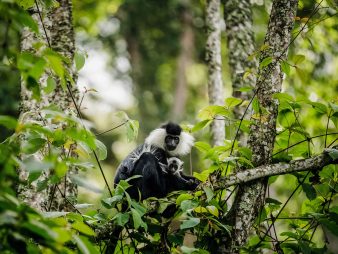
The park is most famous for its primate population. It hosts more than 13 species of primates, including one of the largest populations of chimpanzees in Uganda. It is perhaps the best-known site for chimpanzee habituation in the country, offering visitors a reliable opportunity to observe these intelligent animals in a natural forest habitat. Alongside chimps, other primates such as L’Hoest’s monkeys, red-tailed monkeys, black-and-white colobus monkeys, grey-cheeked mangabeys, and more occupy different layers of the forest — from dense undergrowth to high canopy.
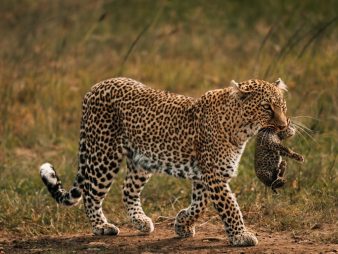
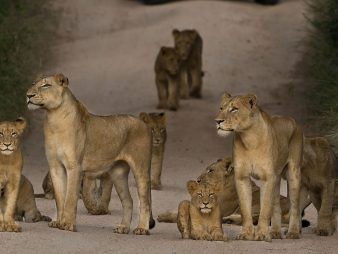
Beyond primates, Kibale supports forest elephants, forest hogs, duikers, bushbucks, giant forest hogs and various small mammals, reptiles, and amphibians. The forest’s birdlife is equally impressive, with hundreds of species thriving in the dense foliage, riverside zones, and forest clearings. Butterflies, insects, leafy undergrowth, moss-covered trees, and ferns create a rich environment that reveals itself slowly, layer by layer, as you move through the forest paths.
The local communities around Kibale add a cultural dimension to visits. Nearby towns and villages reflect a blend of forest-based farming, traditional practices, and growing eco-tourism. This proximity to human habitation, when managed carefully, helps support conservation efforts while allowing local lives and livelihoods to mix with wildlife presence — offering a balanced view of conservation and community coexistence.
Popular Activities
Chimpanzee Tracking & Primate Watching
Chimpanzee tracking is the headline experience at Kibale. With habituated chimpanzee troops, guided treks take visitors into forest trails where chimps live, feed, groom, and socialize. The experience of hearing forest sounds, spotting movement in high canopy, then arriving at a family group — possibly with infants playing or adults feeding — is deeply rewarding. Observing chimps in their natural environment gives a rare glimpse into their lives and behavior, close to human beings but wild and free.
Besides chimpanzees, treks and forest walks often reveal a host of other primates. Colobus monkeys with their striking black-and-white coats, red-tailed monkeys darting through foliage, mangabeys calling in the undergrowth — each trek can feel like a treasure hunt. Guides help visitors spot quiet monkeys perched above, hidden among branches, or crossing streams softly, offering a rich primate-focused journey beyond just chimp tracking.
Forest Walks, Nature Trails & Biodiversity Exploration
Kibale’s network of forest trails is ideal for exploring its dense rainforest environment. Gentle slopes, shaded paths, river crossings, and canopy cover make forest walks rich in variety. Whether at dawn, midday, or dusk, the forest reveals different moods: misty mornings with soft light filtering through leaves; warm midday humidity with deep forest green; late afternoon calm with bird songs and forest-life stirring. For those interested in plants, insects, reptiles, or forest ecology, these walks highlight the beauty and complexity of old-growth forest.
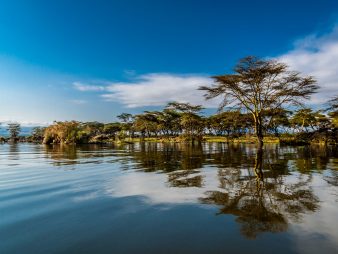
Watercourses and small streams weave through the forest. On some trails, visitors may encounter riverine zones, ankle-deep water crossings, or quiet glades beside water — places ideal for reflection, wildlife spotting, or just listening to forest sounds. The moist forest soil, moss, fungi, and leaf litter give a sense of ancient growth and persistent life cycles that make the environment special.
Birdwatching & Avian Diversity
The forest’s rich canopy, mixed elevation, and river systems create habitats for a wide variety of bird species. Forest birds, woodland birds, forest-edge species, and some migratory birds share the same space. Birdwatchers may spot hornbills calling, forest-warblers flitting between branches, raptors soaring high, or kingfishers and herons near streams. The soundscape of dawn or dusk — filled with bird calls — adds a melodic layer to forest exploration. Early morning walks or quiet waits along streams and clearings often yield impressive bird sightings.
Community and Cultural Visits Near the Forest Edge
Villages and towns near Kibale offer visitors a chance to experience local culture. Interactions may include visiting small farms, artisanal groups, local markets, or cultural performances. These visits enrich the trip by providing insight into how local people live, farm, and share space with a major rainforest reserve. Guests may learn about forest-based crafts, traditional uses of forest plants, or everyday life in rural western Uganda. Such community encounters highlight the human dimension of conservation and remind visitors of the balance between nature and people.
Photography & Immersive Nature Experience
For photographers and nature lovers, Kibale offers atmospheric beauty. The dense forest, filtered light, streams, primates, birds, and plant life create endless scenes to capture. Misty mornings, sun-drenched glades, riverine reflections, primate behavior — each moment in the forest can become a frame. The forest’s rich textures — mossy trunks, creeping vines, leaf litter, insects — provide detail-rich settings for close-up shots, while the canopy and birds offer dynamic subjects. Quiet walks with a camera can reveal hidden forest life often unseen in louder, vehicle-based safaris.
When to Visit
Kibale Forest National Park is accessible throughout the year, but seasonal variations affect the experience. The region experiences regular rainfall but also has months with lighter rainfall or relatively drier conditions, which influence trail conditions, wildlife visibility, and comfort.
The wetter periods — typically between March to May, and again around October — turn the forest into a lush, vibrant environment. Rain nourishes rivers and streams, vegetation grows thick, and forest life blooms. For those who appreciate intense green forest, active rivers, and a sense of deep rainforest atmosphere, these months offer a special charm. However, forest paths can be slippery, humidity increases, and treks may be more physically demanding.
The relatively drier periods — around June to September and December to February — offer better conditions for trekking, chimp tracking, and general forest walks. Trails are firmer, undergrowth less dense, and visibility generally improved. Wildlife — especially primates — may also be easier to spot as they move more predictably in drier conditions.
Best Time to Visit
The best time to visit Kibale Forest National Park is during the drier months: from June through September or December through February. These windows provide more comfortable trekking conditions, easier access to forest trails, and higher chances of successful chimpanzee tracking. Lower rainfall reduces the risk of slippery paths or flooded streams, making forest exploration safer and more predictable.
That said, visits during wetter months can still be highly rewarding for travelers who enjoy the lushness of rainforest, bird activity, and an immersive, moody forest atmosphere. For those prepared for rain and motivated by quiet surroundings and rich biodiversity, the forest during rainy periods offers a deep, green, and sometimes misty experience that stays with you long after the trip ends.