
Lake Nakuru National Park — A Wild Jewel in Kenya’s Rift Valley
Lake Nakuru National Park is one of Kenya’s most iconic safari destinations. It sits deep inside the Great Rift Valley and surrounds the shimmering, alkaline Lake Nakuru. The park is compact, easy to explore, and full of diverse wildlife. It is a place of dramatic landscapes, powerful wildlife encounters, and rich birdlife. Every turn reveals new colors, textures, and life.
Below is a detailed, curated article crafted in natural, engaging language with short, clear sentences.
Quick Facts about Lake Nakuru National Park
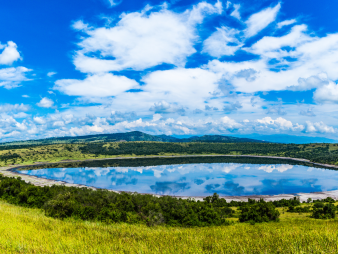
Lake Nakuru National Park covers about 188 square kilometers. Even with this size, the variety of habitats is surprising. You find acacia woodlands, open grasslands, rocky ridges, wetlands, and forested hills. All these ecosystems surround Lake Nakuru, a shallow alkaline lake whose water levels shift with rainfall.
The lake supports algae that once attracted millions of flamingos. Their numbers rise or fall depending on water levels and salinity, but the lake still draws many waterbirds. The park hosts over 450 bird species, making it one of Kenya’s richest birding destinations.
The park is also a stronghold for rhino conservation. Both black and white rhinos live here in protected numbers. Rothschild’s giraffes, buffaloes, lions, leopards, waterbucks, zebras, and many smaller mammals also thrive in this environment.
Because the park sits between 1,750 and 1,900 meters above sea level, temperatures are cooler than in many low-lying parks. Mornings and evenings feel crisp. Days are mild. The climate makes game drives enjoyable throughout the year.
What makes Lake Nakuru so special is how much it packs into a small space. You do not need to drive long distances to see wildlife. The landscapes keep changing quickly. And every part of the park offers its own surprises.
Why Lake Nakuru Stands Out
Lake Nakuru is one of the best places in Kenya to see rhinos. The sanctuary here has helped protect these rare animals for decades. Spotting a black rhino grazing among bushes or a white rhino walking calmly across the plains often becomes a highlight for many visitors.
The park’s birdlife is extraordinary. You see pelicans, storks, herons, kingfishers, cormorants, fish eagles, and many migratory species. Flamingos, when conditions are right, create dazzling pink patterns around the lake.
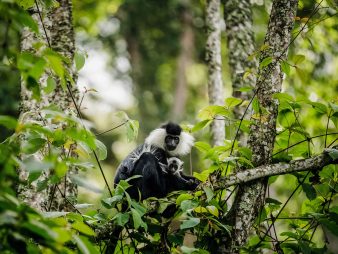
Large mammals such as lions, leopards, buffaloes, hyenas, and giraffes roam the grasslands and acacia forests. The rare Rothschild’s giraffe stands tall with its beautiful clean markings and long legs. Waterbucks linger near wetlands. Baboons and monkeys play along forest edges.
The scenery adds a powerful visual layer to the experience. The Rift Valley escarpment rises sharply above the lake. Hills and viewpoints give breathtaking sights of the park. Sunsets turn the sky gold and orange. Mornings produce soft light that reflects on the still lake.
It is this combination of wildlife, birdlife, scenery, and accessibility that makes Lake Nakuru a must-see safari destination.
When to Visit
Lake Nakuru is open throughout the year. The experience changes depending on the season. The vegetation, wildlife patterns, birdlife, and road conditions shift as rains come and go. This variety gives visitors different reasons to choose different months.
Dry Season: June to October and January to March
The dry season is widely considered the best time for general wildlife viewing. Water sources shrink, and animals gather near the remaining pools. Grass is shorter. Bushes are thinner. This makes spotting wildlife easier.
Roads remain dry and easier to navigate, allowing smooth game drives. Predator sightings can be more frequent as lions and leopards appear in open areas searching for prey.
Flamingos are more likely to be found in large groups during dry conditions. Lower water levels raise salinity, supporting the algae that flamingos feed on. Their presence never becomes guaranteed, but the dry season gives stronger chances.
Photography also feels more rewarding during these months. The air stays clearer. The skies remain blue. The soft, warm tones of early morning and late afternoon give perfect lighting.
Wet and Shoulder Seasons: March to May and November to December
During the rainy period, the park takes on a fresh green look. Vegetation thickens. Flowers bloom. The lake and wetlands come alive with waterbirds. Migratory birds appear. This season is ideal for travelers who love landscapes, birdlife, and tranquility.
There are fewer tourists in this period. The park feels calmer and more intimate. The rain nourishes the environment, creating a sense of renewal.
However, the rains can make some roads muddy or slippery. Visibility may become limited in thick vegetation. Heavy rainfall might also raise water levels, which can temporarily reduce flamingo numbers.
Still, the wet season offers a side of Lake Nakuru that feels peaceful, vibrant, and full of life.
For Flamingo Lovers
If seeing flamingos is your priority, the dry months usually offer the best chance. July to October and January to March often create the right salinity levels for algae growth. Conditions can shift, but patience rewards visitors with magical moments at the lake’s edge.
Popular Activities at Lake Nakuru National Park
Game Drives
The heart of a Lake Nakuru experience is the game drive. Because the park is compact, even a single morning or afternoon drive delivers rich encounters. You might see rhinos grazing, lions resting, giraffes feeding, or buffaloes crossing the plains.
Different circuits inside the park offer different habitats. Some routes focus on rhinos. Others wind through plains where predators roam. The lakeshore routes bring you close to waterbirds and shifting colors of the lake.
Early mornings offer the most activity. Animals move to feed before the heat rises. Late afternoons bring another burst of movement as temperatures fall. Both periods also offer beautiful light that enhances landscapes and photography.
Birdwatching
Lake Nakuru is a paradise for bird watchers. With more than 450 bird species recorded, the park holds one of the highest bird diversities in East Africa. The lake attracts pelicans, herons, storks, fish eagles, cormorants, and many other waterbirds.
Flamingos are the icons of the park. Seeing thousands on the shoreline feels surreal. The pink blanket they form turns the lake into a living painting.
Woodland and cliffside birds also thrive here. Raptors circle high above. Kingfishers dart near streams. Migratory species visit during certain months, adding to the spectacle.
A pair of binoculars can transform the experience. A guided birding tour reveals fascinating details about behavior, patterns, and habitats.
Scenic Viewpoints & Photography
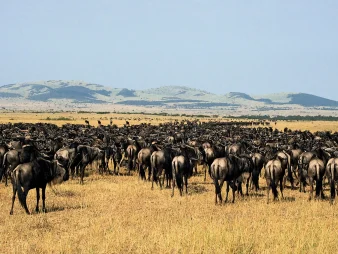
The park’s elevated viewpoints give powerful views across the lake and plains. These spots reveal the Great Rift Valley in all its dramatic beauty. From here, you see the sweeping curve of the lake, the dotted buffalo herds, the winding roads, and the rising escarpment.
These viewpoints are perfect for photography. Sunrise casts warm colors across the lake. Sunset turns the sky into streaks of orange and purple. Misty mornings often create magical reflections on calm waters.
The cliffs also allow long-distance wildlife spotting. You may watch rhinos grazing far below, flamingos glowing pink, or giraffes walking gracefully through the woodlands.
Lakeshore & Wetland Exploration
Exploring the wetlands and shoreline areas brings you close to aquatic life. These zones feel peaceful and full of texture. Different birds gather in the reeds. Hippos may appear in some areas. The sound of water mixes with birdsong.
During the wet season, these areas become even more vibrant. Fresh water draws more species. Vegetation grows thick and green. The entire lakeshore seems to shimmer with life.
Relaxation & Nature Immersion
Lake Nakuru has several spots where travelers can pause and absorb the calm atmosphere. These areas allow slow reflection and quiet time in nature. Listening to birdcalls, watching changing colors on the lake, and soaking in the sights creates a gentle and deeply rewarding part of the experience.
Many travelers enjoy combining wildlife viewing with slow, peaceful moments in the park.
What Makes Lake Nakuru Ideal for Many Travelers
Lake Nakuru National Park works beautifully for both short and long stays. Its compact size means you do not need long drives to see wildlife. The diversity of habitats gives the park a surprising richness. The birdlife attracts enthusiasts from around the world. The rhinos and giraffes draw wildlife lovers. The scenery inspires photographers and nature lovers.
First-time safari travelers appreciate how easy the park is to explore. Experienced safari travelers enjoy the density of wildlife and the wide variety of birds. Families love the comfort and accessibility. Solo travelers find the park manageable and rewarding.
Because of its altitude, the climate stays pleasant and comfortable. The temperature rarely becomes extreme. This makes game drives enjoyable throughout the day.
For travelers who want powerful wildlife viewing, beautiful scenery, rich birdlife, and a manageable safari experience, Lake Nakuru stands out as a perfect choice.