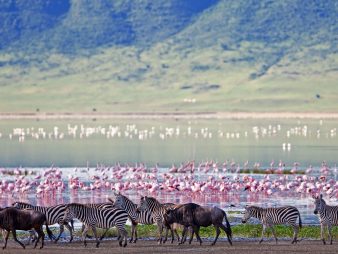

Queen Elizabeth National Park is one of Uganda’s most celebrated and diverse wildlife destinations, known for its striking landscapes, rich biodiversity, and unique ecosystems. Located in the western region of the country, the park stretches from the foothills of the Rwenzori Mountains to the shores of Lake Edward and the vast Kazinga Channel. Its mosaic of savannas, wetlands, woodlands, and volcanic features makes it an exceptional safari destination offering remarkable wildlife sightings and dramatic scenery.
Covering approximately 1,978 square kilometers, the park is Uganda’s second-largest protected area and one of the most historic. Named after Queen Elizabeth II following her visit to Uganda in 1954, it has become a cornerstone of the country’s tourism industry. The park’s varied environment supports an impressive range of species, attracting travelers seeking a classic East African safari experience combined with unique natural features found nowhere else.
Quick Facts About the Destination
Queen Elizabeth National Park is renowned for its extraordinary biodiversity and holds one of the highest numbers of wildlife species in Uganda. The park hosts more than 95 mammal species, including elephants, buffaloes, lions, leopards, hippos, hyenas, and antelopes. It is particularly famous for the tree-climbing lions of the Ishasha sector, a rare behavior seen in only a few places worldwide. This remarkable phenomenon draws many visitors who hope to see these powerful predators resting in the branches of large fig trees.
The park is also a haven for bird enthusiasts, boasting over 600 recorded bird species. Its location along the Albertine Rift contributes to this exceptional diversity, making it one of the top birding destinations on the African continent. Species range from water birds around the Kazinga Channel to forest species in the Maramagambo Forest and Rift Valley specialties near the crater lakes.
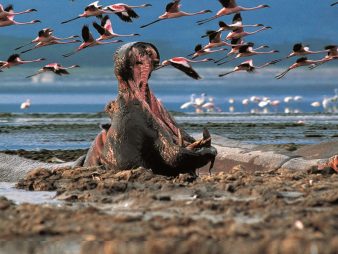
Queen Elizabeth National Park’s landscape is shaped by volcanic activity, with more than a dozen crater lakes scattered across its northern sector. These dramatic features add to the park’s visual appeal and support unique habitats. The Kazinga Channel is another defining feature, connecting Lake Edward and Lake George and providing one of the most concentrated hippo populations in Africa.
The park’s surrounding communities play a significant role in its cultural richness. Visitors encounter traditional villages, local crafts, and community-based tourism experiences that highlight the deep connection between people and nature in this region.
Popular Activities
Game drives are one of the most popular activities in Queen Elizabeth National Park. The Kasenyi Plains offer excellent opportunities to see lions, Uganda kob, elephants, and other savanna species. Morning and late afternoon drives are especially rewarding, allowing visitors to explore the golden grasslands and observe wildlife during peak activity times. The Ishasha sector offers a very different experience, with its famous tree-climbing lions and quieter, more remote atmosphere.
Boat cruises along the Kazinga Channel are among the park’s signature attractions. These excursions take visitors across calm waters lined with hippos, crocodiles, elephants, buffaloes, and numerous bird species. The experience offers close-up photography opportunities and a peaceful way to observe wildlife as they gather along the water’s edge. The channel is one of the most biologically active areas in the park, making boat safaris both relaxing and exceptionally rewarding.
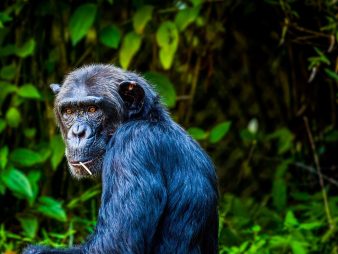
Chimpanzee tracking in the Kyambura Gorge provides a striking change of scenery from the open plains. This deep, forested gorge is a lush haven sheltering a small but intriguing population of chimpanzees. Guided walks lead travelers through the shaded forest floor, revealing unique vegetation, birdlife, and opportunities to observe the chimps in their natural habitat.
Nature walks and forest explorations in the Maramagambo Forest allow visitors to experience the quieter side of the park. The forest is home to crater lakes, bat caves, monkeys, hornbills, and an array of butterflies. These guided walks provide insight into the park’s ecological variety and reveal aspects of the environment that cannot be seen from a vehicle.
Cultural experiences are another important component of a visit to Queen Elizabeth National Park. Interactions with local communities include traditional dance performances, visits to craft workshops, and tours of salt-mining areas near Lake Katwe. These activities provide meaningful insight into the livelihoods and heritage of people who live alongside wildlife.
When to Visit
Queen Elizabeth National Park can be visited throughout the year, and each season offers unique advantages. The landscape transforms with the shifting climate, ensuring that the park maintains its beauty and wildlife activity regardless of the month. During the wet seasons, which occur from March to May and from October to November, the vegetation becomes thicker and greener. The rains breathe life into the savannas and wetlands, and birdlife flourishes with the arrival of migratory species. These months also tend to see fewer tourists, offering a quieter experience.
The dry seasons, from June to September and December to February, offer clearer skies and easier wildlife viewing. Animals often gather around water sources, making sightings more predictable. Roads and trails are more accessible, and the overall visitor experience is generally smoother due to more stable weather conditions. The lighting during these months is especially favorable for photography.
Best Time to Visit
The best time to visit Queen Elizabeth National Park is during the dry seasons, particularly from June to September and December to February. These periods provide optimal conditions for game drives, boat cruises, and chimpanzee tracking. Visibility is higher, wildlife is more concentrated around water sources, and the weather is pleasant for outdoor activities. Travelers seeking the clearest views of the landscape and the most reliable wildlife encounters will find these months ideal.