
Samburu National Reserve
Samburu National Reserve lies in northern Kenya, in a semi-arid zone where wild lands meet rugged desert plains. The reserve covers roughly 165 square kilometers. Its terrain is a mix of wooded savanna, riverine forest along the Ewaso Ng’iro River, rocky hills, dry riverbeds, and seasonal luggas that carry water only during rains.
This landscape supports a richly varied ecosystem. The Ewaso Ng’iro River serves as a lifeline, sustaining wildlife even during dry seasons. Elephants pass through, crocodiles and hippos use the river, and many mammals, birds and reptiles depend on its presence.
Samburu is home to a set of animals often referred to as the “Samburu Special Five” — unique species that are harder to see elsewhere. These include the Grevy’s zebra, reticulated giraffe, Beisa oryx, Somali ostrich, and gerenuk.
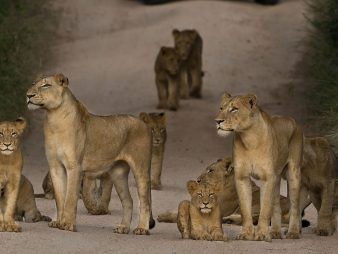
On top of that, predators like lions, leopards, and cheetahs roam the reserve. Many other mammals such as elephants, buffalo, various antelopes, smaller mammals and reptiles thrive here as well.
For bird lovers, Samburu is a top destination — over 450 bird species have been recorded. Riverine forest, savannah, rocky hills, and riverbanks create a variety of habitats for birds like eagle species, rollers, bee-eaters, and many waterbirds along the river.
Cultural dimension is part of the experience too. The reserve lies in lands belonging to the Samburu people — a semi-nomadic pastoralist community related to the Maasai. Their colorful traditions, beadwork, and village life add a human story to the wild landscape.
Why Samburu Stands Out
Samburu offers a safari experience different from the lush, high-rainfall parks of southern Kenya. Its semi-arid environment, river corridor, and varied terrain make it unique. The combination of dry plains, riverine forest, rocky hills and seasonal water sources shapes a wild, dramatic landscape that feels remote and raw.
The presence of the Samburu Special Five gives travelers the chance to see species rarely found elsewhere. Watching a gerenuk browse on its hind legs or spotting a reticulated giraffe against the dusty horizon feels like a special reward.
The Ewaso Ng’iro River transforms the environment. In a region where water is scarce, the river becomes a magnet for wildlife. Elephants, buffalo, antelopes, and predators all rely on it. Nile crocodiles and hippos sometimes show up too. The river also supports lush vegetation along its banks — doum palms and riverine forest — creating a stark contrast with the dry bush around.
Samburu’s birdlife thrives because of its diverse habitats. From savannah to riverbanks to rocky hills, many species — resident and migratory — find niches here. Birdwatchers often consider Samburu among Kenya’s top birding spots.
Cultural encounters add depth. Visiting a Samburu village, learning about local traditions, beadwork, livestock herding, and community life gives insight into how people live in harmony with this harsh yet beautiful land. It’s a reminder that wildlife and human culture share the same fragile ecosystem.
When to Visit & Best Time to Visit
Samburu National Reserve is open all year. But the experience you get varies significantly with the seasons. Climate, water availability, vegetation, wildlife behavior and visitor numbers shift depending on when you go.
Dry Seasons (June–October and January–February)
These months are widely considered the best for wildlife viewing. With little or no rain, vegetation thins out. Animals gather around the Ewaso Ng’iro River and permanent waterholes. That concentration makes it easier to spot wildlife — elephants, buffaloes, antelopes, and predators searching for prey.
The weather during dry season is generally hot during the day (around 28–34 °C) and cooler at night (about 16–22 °C). The skies are clear, the air dry, and roads are firm — ideal for game drives, travel within the reserve, and photography.
Early mornings and late afternoons offer the best light and the highest chance to see active animals. The reduced vegetation, dry earth, and warm light combine to create striking photo opportunities.
This season is ideal for travelers interested in big mammals, predators, and crisp, clear landscapes. It’s also a good period for walking safaris or camel safaris without much risk of rain.
Green Season (March–May, and Short Rains November–December)
During the rainy or “green” seasons, the bush transforms. Rain brings new grasses, shrubs, water in seasonal channels, and overall lushness to the reserve. Rivers and seasonal springs flow. The landscape becomes green and vibrant.
This season suits those who love birds, greenery, and quieter environments. Many migratory birds arrive. Resident bird species show off breeding plumage. Wetlands, riverbanks and forested riverine areas become active with birds and other wildlife.
Newborn animals appear — antelopes, zebras and gazelles often give birth during or after rains. That makes wildlife witnessing especially rewarding. Seeing calves learning to stand or feed adds a special emotional dimension.
The rainy season also means fewer tourists around. Lodges may offer better rates. The atmosphere becomes more serene and intimate. For travelers seeking a peaceful safari and great photography against lush backdrops, this season is appealing.
However, roads can become less accessible after heavy downpours. Some tracks might be slippery or difficult; a 4×4 vehicle becomes essential. Visibility might be lower because of greener, denser vegetation. But the trade-off is a richer, greener, more varied ecosystem and a calm safari environment.
What’s Best Depends on What You Want
-
For classic big-game viewing (elephants, lions, special species) and easier tracking: visit during the dry seasons (June–October, January–February).
-
For birdwatching, lush landscapes, newborn wildlife, and fewer tourists: consider the green seasons (March–May, November–December).
-
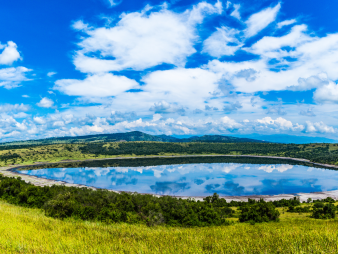
For photographers looking for rich, dramatic landscapes: rainy season brings greenery, reflections, dramatic skies; dry season brings golden light, stark contrasts and open views.
Popular Activities at Samburu National Reserve
Game Drives & Wildlife Viewing
Game drives are the core safari activity in Samburu. Early mornings and late afternoons are prime times — animals visit waterholes, roam the plains, or graze along riverbanks. Lions, leopards, elephants, Grevy’s zebra, reticulated giraffe, beisa oryx, gerenuk, and more offer wildlife spectacles.
Because the reserve is relatively compact and has a reliable water source in the Ewaso Ng’iro River, even shorter drives can yield rewarding sightings. For many visitors, a 2–3 day stay gives a rich taste of the wildlife variety.
Dry season drives offer easier terrain, better visibility and more predictable encounters. River crossings, family herds drinking water, predators in pursuit of prey — these are often best witnessed when water is scarce elsewhere.
Bird Watching
Samburu’s habitat mix — riverine forest, acacia bushland, open plains, rocky hills — supports a huge variety of bird species. Over 450 species have been recorded. Riverbanks attract fish-eating birds; savannah and bush attract rollers, bee-eaters, ostriches; hills and cliffs draw raptors.
During green seasons and especially after rains, many migratory birds arrive. Nesting, breeding, and bright plumage make this time excellent for birdwatchers. Even in dry season, resident species and raptors remain active — offering sightings throughout the year.
Guided walks along the river, walks in forested patches, or even game drives give opportunities to spot birds. For serious birders, having binoculars and a good guide can make a big difference.
Cultural Experiences with the Samburu People
Visiting nearby Samburu villages adds a cultural layer to the wildlife safari. The Samburu people maintain semi-nomadic pastoralist traditions. Their beadwork, traditional dress, customs and daily life provide insight into how communities adapt to arid landscapes and coexist with the wild.
Cultural visits might include interacting with villagers, learning about their livestock herding — camels, goats, cattle — seeing beadwork, and understanding tribal customs. This gives a deeper, more human dimension to a safari visit beyond just animals and landscapes.
Such encounters often support local artisans and communities when you purchase crafts or contribute to community-led tourism. It becomes a way to give back while learning about unique cultures.
Walking Safaris, Camel Safaris, and River-Side Relaxation
Samburu offers more than vehicle-based safaris. Guided nature walks or camel safaris offer a slower, more intimate way to experience the bush. Walking through bushland with an experienced guide reveals smaller creatures, birdlife, tracks, and plant species often missed on drives.
Camel safaris, inspired by traditional travel among local communities, provide a unique perspective over open plains and dry lands — a tranquil, ground-level, slow-paced safari experience.
Even simple moments — a sundowner by the river, watching hippos or crocodiles at dusk, listening to birdcalls, or gazing at the sunset over dusty plains — offer serene, memorable experiences.
Photography & Landscape Appreciation
Samburu’s environment delivers dramatic contrasts: dusty plains, golden dry season light, riverine green ribbons, distant rocky hills, acacia silhouettes, elephants or giraffes under vast skies. These combine beautifully for photographers — both amateur and professional.
Dry season light — especially early morning and late afternoon — offers sharp shadows, soft golden tones, and long silhouettes; perfect for capturing big mammals or savannah scapes. Green seasons bring lush landscapes, reflections in puddles or streams, misty mornings, vibrant colors — perfect for mood-rich landscape or bird photography.
Walking safaris or camel safaris offer closer ground-level perspectives, unique photo angles, and a more immersive sense of space compared to game drives.
What Makes Samburu an Ideal Safari Destination for Many Travelers
Samburu National Reserve suits a wide range of travelers. For those seeking rare species — like the Samburu Special Five — it offers opportunities hard to match elsewhere. For bird lovers, the rich avian diversity and habitats give many reasons to visit. For cultural travelers, interactions with the Samburu community add depth and meaning.
For those seeking solitude and authenticity — away from crowded parks — Samburu still feels remote and wild. The semi-arid landscape, vast open plains, and river corridor create a wild ambience.
Its accessibility — reachable by road from central Kenya or by small aircraft — combined with varied accommodation (from rustic camps to more comfortable lodges) makes it flexible. You don’t need a long expedition; even a short stay of a few days can deliver rich experiences.
For photographers, birdwatchers, families, couples, or solo travelers craving nature, culture, and wildlife, Samburu provides a powerful mix: dramatic landscapes, rare animals, vibrant birdlife, human stories, and an atmosphere of wild Africa that stays in memory.