
Tsavo East National Park — Kenya’s Legendary Wilderness
Tsavo East National Park spans a massive area of about 13,747 square kilometers, making it one of the largest protected natural areas in Kenya. The park lies in southeastern Kenya, carved out by rivers and embraced by wide open plains, scrub woodlands, and riverine forests.
Quick Facts
-
Size: Approx. 13,747 sq km.
-
Landscape & Habitat: Semi-arid savannah, dry scrubland, open plains, acacia and baobab woodlands, seasonal swamps and riverine forests, along rivers like the Galana River, Tsavo River and tributaries.
-
Rivers & Water Sources: Galana River is the main lifeline. There are also seasonal rivers, swamps and dams such as Aruba Dam.
-
Geological Features: Includes the Yatta Plateau — said to be the world’s longest lava flow — plus other formations like natural rock outcrops and water catchment rocks.
-
Wildlife Diversity: Home to dozens of large mammals and hundreds of bird species — including the “Big Five” (lion, leopard, elephant, rhino, buffalo).
-
Avian Richness: Over 500 bird species recorded.
-
Vegetation Highlights: Acacia trees, baobabs, doum palms, riverine forest species.
What Makes Tsavo East Special
Tsavo East offers a wild, open-savannah safari vibe. Vast plains stretch under wide skies. The soil here is rich in iron — and when animals dust themselves with the red earth, it gives them a rusty “red” hue. That is especially striking with elephants: the famous “red elephants” of Tsavo.
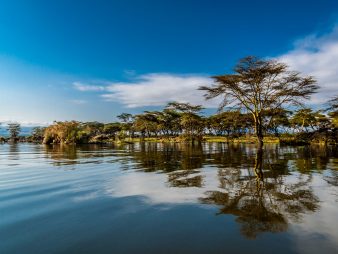
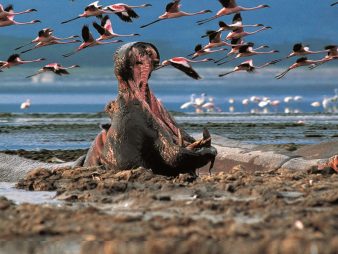
Water gives life to this arid land. Rivers, seasonal swamps and dams concentrate animals — especially in dry months. Places like Aruba Dam and riverbanks along the Galana attract elephants, buffalo, zebras, hippos, crocodiles and many bird species.
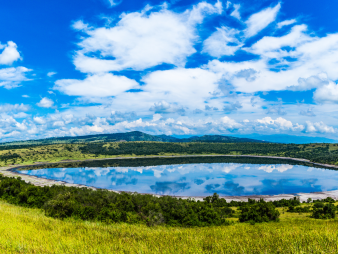
As the seasons change, so does the landscape. After rains, parts of the park bloom with grass, shrubs and seasonal pools. During dry spells, waterholes and permanent rivers become magnets for life — making sightings easier and more dramatic.
The geological backdrop adds another layer of wonder. The Yatta Plateau — a massive lava-flow plateau — gives a rugged, timeless feel. Rocky outcrops and natural water catchments allow vantage points where wildlife gathers — ideal for photography and quiet observation.
Wildlife & Nature Highlights
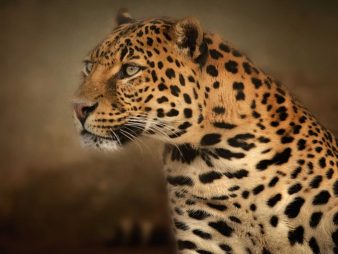
Tsavo East pulses with animal life. Big herds of elephants roam the plains and step carefully through rivers. Predators like lions, leopards and cheetahs roam the bush — and if you’re lucky, you’ll spot them.
Beyond the famous megafauna, expect to see giraffes browsing acacias, zebras grazing, buffalos roaming, impalas, waterbucks, antelopes, and shy browsers like lesser kudu or gerenuk. Crocodiles and hippos lounge near water holes.
Birdlife here is spectacular. Over 500 species have been recorded. Rivers, forests and open plains attract everything from waterbirds and raptors to colourful rollers and hornbills. Migratory birds join resident species, making Tsavo a paradise for birdwatchers.
In dry seasons, animals gather at reliable water sources. At such spots — dams, rivers, waterholes — predator-prey drama, watering herds and bird flurries often unfold in front of you.
Experience & Atmosphere
Tsavo East has a raw, wild, authentic feel. Road access is mostly via certain gates along main roads. Once inside — you encounter wide dusty tracks, bushy horizons, sparse vegetation, and solitude that stretches for miles.
At dawn or dusk, the golden light over red soil, acacia silhouettes, and herds silhouetted against the horizon create postcard scenes. During the dry season, game drives along riverbanks or dams turn into magical wildlife encounters.
The park offers more than just animals. Geological formations like the Yatta Plateau, river gorges, rocky outcrops and seasonal wetlands paint a varied, dramatic landscape. Your safari becomes not only about spotting animals — but also about witnessing the power and beauty of nature.
Popular Activities in Tsavo East
Visitors to Tsavo East often enjoy:
-
Game-drive safaris — Early morning or late afternoon drives give highest chances of spotting elephants, lions, leopards, giraffes, buffaloes, zebras, antelopes, hippos, crocodiles and many bird species.
-
River-side and water-hole viewing — Rivers like the Galana, waterholes, dams and seasonal swamps concentrate wildlife, especially during dry seasons — perfect for spotting diverse species and taking photos.
-
Birdwatching — With over 500 species recorded, birdwatching in Tsavo East is a prime attraction. Seek out eagles, hornbills, rollers, waterfowl, migratory species and more.
-
Photography — The red earth, great herds, dramatic skies, river reflections, waterholes and mixed terrain offer striking photo opportunities. Wildlife, landscape, geological features — all come together.
-
Landscape & geology walks or drives — Visiting features like the Yatta Plateau, natural rock outcrops, dams and dry-season waterholes gives a glimpse into the park’s ancient volcanic history and unique ecology.
What to Expect & When to Visit
Because Tsavo East lies in a semi-arid zone, seasons matter. In the dry months, water becomes scarce — rivers, dams, and waterholes become magnets for animals. Those are often the best times for wildlife viewing and photography.
After rains, vegetation revives. The plains may bloom and seasonal water bodies emerge. Birdlife flourishes. Landscapes shift from dusty red to soft green. Depending on what experience you want — dramatic dry-season wildlife gathering, or lush, green rejuvenation — you can choose your timing.
Visitors should be prepared for dusty tracks, heat, and the vast distances between features. A guided safari with knowledge of terrain and water sources can make the difference between a good experience and a great one.
Tsavo East feels vast — empty spaces, expanses of land, and relative solitude. But those open spaces also mean you might go long stretches before spotting large animals. When life does gather — it gathers in numbers.
Why Tsavo East Matters
Tsavo East represents wild Africa in all its grand simplicity. It’s not manicured or overly touristy. It’s raw, natural, unpredictable. The rhythms are set by seasons, water and survival.
It’s also a vital refuge for many species. The mix of savannah, riverine forest, swamp, seasonal riverbeds and volcanic terrain supports a remarkable biodiversity. Wildlife — big and small — find shelter, food and water in this landscape.
For any traveler seeking a “real” African safari, Tsavo East offers authenticity. No luxury buildings crowding the plains. No forced encounters. Just wildlife, wilderness, weather, land, water — and the timeless call of the wild.
Dreams of red-dusted elephants, lions in the tall dry grass, crocodiles lurking in Galana’s waters, bird flocks over dams, and endless horizons under African skies come alive here.
If you want a safari that feels raw, vast and alive — this is Tsavo East.