
Masai Mara National Reserve — Wild, Timeless, Unforgettable
The Masai Mara National Reserve (often just “the Mara”) is one of Africa’s most celebrated safari destinations. It’s a place where golden savannahs stretch to the horizon, sweeping skies meet rolling grasslands, and wildlife abounds in incredible variety. Every visit feels like stepping into a living documentary — where predators stalk, herds migrate, and nature unfolds in full force.
Below is everything you need to know about the Mara: Quick facts, why it matters, and the experiences you can’t miss.
Quick Facts
-
Location & Size: The Masai Mara covers about 1,510 km² (≈ 580 square miles).
-
Landscape: Elevations range roughly between 1,500 to 2,170 meters above sea level.
-
Wildlife Richness: Over 95 species of mammals and hundreds of bird species inhabit the Mara.
-
Birdlife: At any time more than 470–570 bird species may be present — migrants and residents alike.
-
Predators & Big Game: The Mara supports the full “Big Five” (lion, leopard, elephant, buffalo, black rhino), along with cheetahs, hyenas, and many other carnivores and herbivores.
-
Population Density: Because of its richness, wildlife encounters here are frequent — herds, prides, flocks, and more fill the plains.
-
Name Meaning: “Mara” means “spotted” in the Maasai (Maa) language — a reference to the savannah dotted with trees, bushes, and grazing herds.
-
Part of a Larger Ecosystem: The Mara forms the northern part of the huge Serengeti–Mara ecosystem — a vast web of plains, woodlands, rivers, and life stretching across national boundaries.
Why Masai Mara Matters
A Wildlife Powerhouse
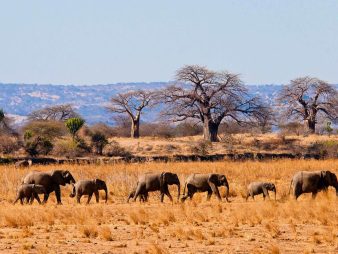
The Mara packs enormous biodiversity into its landscape. From massive elephant herds and lumbering herds of buffalo to prides of lions, stealthy leopards, graceful giraffes, nimble antelopes, cheetahs sprinting across open plains — it’s all here. This density of life, across so many species, makes the Mara a wildlife hotspot few places can rival.
The Legendary Migration
Every year between July and October, the Mara becomes the stage for one of nature’s greatest shows: the Great Wildebeest Migration. Over a million wildebeest — joined by zebras and gazelles — pour into the Mara from the plains of the Serengeti, driven by instinct to find fresh grass and water. The crossings of the Mara River are full of drama: crocodile-infested waters, powerful currents, alert predators, and a surging tide of animals risking everything to survive. This spectacle is raw, powerful, and unforgettable.
Landscapes That Stir the Soul
Golden grasslands, red-tinged acacia trees, shady riverine forests, expansive marshes, rocky escarpments, and towering hills — the Mara’s landscapes are dramatic and endlessly varied. With such a diverse terrain, the reserve sustains many different habitats, each hosting distinct wildlife communities.
Culture & Conservation Hand in Hand
The land belongs to the Maasai people — the ancestral guardians of this region. Their traditional way of life, commitment to pastoralism, respect for wildlife, and community conservancies help protect the land and its inhabitants. Visiting the Mara offers not just game viewing — but a chance to connect with the Maasai’s rich culture, traditions, and timeless wisdom of living alongside nature.
Year-Round Safari Value
While the Great Migration is the superstar event, the Mara isn’t only about one season. Wildlife thrives year-round. Predators, herbivores, birds, reptiles — the ecosystem pulses with life no matter when you visit. Each season brings something different.
Popular Activities in the Masai Mara
Here are the top experiences that draw travelers from all corners of the world:
-
Game Drives — Morning, afternoon, or full-day drives in open-roofed 4×4 Land Cruisers. This classic safari format offers great chances to see lions, elephants, buffaloes, giraffes, leopards, and many plains animals roaming the savannah.
-
Witness the Great Migration & River Crossings — Time your visit between July and October and you might witness the dramatic crossing of the Mara River: wildebeest, zebras, and gazelles braving crocodile-infested waters and predators. A must-see natural spectacle.
-
Hot Air Balloon Safaris — Float silently over plains during sunrise. From high above, watch herds roam, rivers meander, and the landscape glow in golden light. A magical way to view the Mara.
-
Walking Safaris & Guided Bush Walks — Explore on foot with a ranger. It’s a different rhythm: quieter, more intimate, and perfect for noticing smaller wildlife, tracks, birds, and plants often missed on drives.
-
Bird Watching — With hundreds of bird species, migrants and residents, the Mara is a paradise for bird lovers. Raptors, colorful rollers, cranes, storks — and more — fill the skies and trees.
-
Cultural Visits & Maasai Village Tours — Interact with the Maasai people. Learn about their traditional lifestyle, watch cultural dances, see beadwork, visit homesteads (enkangs), and gain insight into how they coexist with wildlife.
-
Photography Safaris — Whether from a Land Cruiser, balloon, or on foot — the Mara is a dream for photographers. Sunrises, sunsets, dramatic wildlife moments, sweeping landscapes — the possibilities are endless.
-
Nature & Conservation Walks — For those interested in ecology and conservation, some tours focus on educating visitors about the Mara’s ecosystems, its challenges, wildlife behavior, and the vital need to protect such wild lands.
When to Go & What to Expect
-
Migration Season (July–October): Best chance to see river crossings and vast herds migrating. Spectacular, but also peak tourist season — expect crowds.
-
Shoulder Seasons / Off-Peak: Outside the migration months, wildlife is still abundant. Fewer tourists, quieter camps, more relaxed safaris — ideal for a more personal, laid-back experience.
-
All Seasons Offer Value: Even outside migration, you can see lions, elephants, herbivores, birds, and a rich savannah ecosystem.
The Masai Mara National Reserve is more than a safari destination — it’s a living tapestry of life, a world of rhythms and cycles, where predators hunt and herds roam, rivers flow and skies stretch wide. It’s a place that humbles you, thrills you, and reconnects you to nature’s grand design.
Whether you come seeking the thunder of hooves during migration, a quiet walk beneath acacia trees, a balloon ride at dawn, or a glimpse into Maasai culture — the Mara delivers with power, beauty and soul.
If you like — I can also write a detailed “Best Time to Visit & What to Expect by Month” guide for the Masai Mara (with climate, crowd levels, wildlife highlights) — to help you plan the perfect safari. Do you want me to build that for you now?