
Tsavo West National Park stretches across a vast landscape of about 7,065 square kilometres in south-eastern Kenya. It lies roughly 240 km from Nairobi and about 250 km from Mombasa, making it accessible from both major cities. The terrain is a striking mix of open savannah grasslands, acacia woodlands, riverine corridors, rocky ridges and volcanic formations — a palette of lava flows, palm-fringed rivers, and semi-arid bushland.
Water is a defining feature: the park boasts famous natural springs that gush out from beneath ancient lava rocks, rivers, marshes and seasonal waterholes. These water sources are vital, especially during dry periods, and attract a dazzling variety of wildlife. Vegetation is equally diverse, with over a thousand plant species recorded, ranging from tall grasses and scrub to doum palms, tamarind, figs, baobabs and saltbush.
Wildlife here is rich and varied. Tsavo West is home to large mammals — elephants, buffaloes, lions, leopards, giraffes, zebras — as well as rarer and more shy species such as lesser kudu, fringe-eared oryx, gerenuk, klipspringers, and nocturnal creatures like porcupines. There's also a protected enclave for black rhinos inside the park. For bird lovers, Tsavo West is a paradise: the park holds hundreds of bird species, including raptors, waterfowl, migratory visitors and endemic birdlife, thanks to its mix of habitats.
The park’s character is shaped by its dramatic geography. Volcanic features like hardened lava fields and ancient lava flows carve a unique, almost primeval landscape. The mixture of arid bush, grassy plains, rivers and springs makes Tsavo West a wild, compelling, ever-changing environment — one that feels remote, raw and deeply natural.
When to Visit & Best Time to Visit
Tsavo West can be visited throughout the year. But the ideal time depends on what you want to experience.
-
Dry Season (June to October; and January to February): This is the classic time for wildlife safaris. During these months the vegetation thins out and water becomes scarce — causing animals to gather near permanent water sources like springs, rivers and waterholes. This concentration of wildlife makes sightings easier and more reliable.
-
Wet / Green Season (November to May): During and after rainfall periods, the park transforms: grasses and woodlands grow lush and green, and rivers swell. While wildlife may disperse away from the main water spots, the landscape becomes vibrant. For photographers or those interested in scenery and migratory or resident birdlife, this lush period can be especially rewarding. You may even catch distant views of peaks beyond the plains on clear days.
For best game viewing — lions, elephants, rhinos, buffaloes, antelope — aim for the dry season. For fewer crowds, dramatic landscapes, lush vegetation, and birdwatching, consider visiting in or just after the rainy season.
Within a day, early morning (just after sunrise) and late afternoon (before sunset) are the most active times for animals. These cooler hours bring grazing or hunting activity — perfect for game drives, wildlife watching and photography.
What Makes Tsavo West Special
Tsavo West stands out for combining classic African wildlife with dramatic and varied landscapes. First, the water systems: natural springs that bubble from beneath solidified lava rock, rivers, lakes and seasonal waterholes create a network of life-supporting systems even in dry times. These, in turn, support a huge diversity of animals.
Then, the geology and terrain — lava flows, ridges, volcanic craters, plains, woodlands — give the park a character unlike many flat savannah parks. Walking among the hardened lava fields, or looking out over plains from a rocky ridge, you sense the deep history of this land.
The mix of habitats — riverine zones, woodlands, open grasslands, rocky ridges — means that different species find niches here. Some thrive in dense bush, others in open grass, some prefer water, others dry scrub. This diversity accelerates the chance to see rare species: from black rhinos in protection zones, to delicate antelopes like lesser kudu or fringe-eared oryx, to klipspringers on rocky slopes, to huge land mammals on the plains.
Birdlife thrives thanks to the water bodies, woodlands and open skies. Tsavo West is a hotspot for both resident and migratory birds. Raptors soar above woodlands, waterbirds wade in springs and marshes, colorful smaller birds flit through trees — a delight for any bird-watching enthusiast.
Finally, Tsavo West offers a safari experience that feels rugged, real, and wild. It’s not always polished or easy — roads can be rough, the land is vast and open, and wilderness feels raw and untamed. For travellers seeking an authentic encounter with wild Africa, Tsavo West delivers in full.
Popular Activities in Tsavo West
Safari Game Drives
Game drives are the backbone of any visit. With a network of roads crisscrossing the park, it's possible to go deep into different ecosystems — from riverine areas to grasslands to volcanic ridges. Wildlife is most visible in early morning or late afternoon drives. During dry season, animals concentrate near waterholes and springs, improving chances to spot elephants, buffaloes, lions, leopards, giraffes, zebras, rhinos, and many antelope species. On some safari packages, even night drives are offered, giving visitors a glimpse into nocturnal wildlife life like leopards, hyenas or bush babies — a rare and thrilling experience in African national parks.
Water & Springs Adventure
One of the greatest draws of Tsavo West is water in the wilderness. Mzima Springs is a natural wonder: crystal-clear springs bubbling from volcanic rock that feed rivers and pools. At Mzima, visitors can view hippos and Nile crocodiles — sometimes from underwater viewing chambers that let you watch aquatic life below the surface. The contrast of clear blue water, green vegetation, and nearby arid landscape makes this a unique and unforgettable safari moment.
Close to the springs or rivers, visitors may enjoy relaxing by the water, enjoying picnic lunches, or simply watching animals arrive to drink at dawn or dusk.
Exploring Geological Wonders
The park’s volcanic heritage is visible everywhere. Walking or light hikes across hardened lava fields — known locally as the “lava flows” — reveal rugged terrain shaped by ancient eruptions. One such landmark is the Shetani Lava Flow. The black, rocky formations tell a story of fiery eruptions, and roaming through them feels like stepping into Earth's deep past. The odd, dramatic shapes of cooled lava make for striking photography and a remarkable surreal landscape.
Some hills and volcanic cones offer vantage points with sweeping views of plains, hills, rivers and — on very clear days — distant mountain silhouettes. From these ridges you get a sense of how vast and wild Tsavo West truly is.
Rhino Sanctuary & Rare Wildlife Watching
Inside the park lies the Ngulia Rhino Sanctuary, an important conservation area for the black rhino. Visitors often include a visit here to catch sight of one of Kenya's most endangered animals. While sightings are never guaranteed, the sanctuary significantly increases the chances to see rhinos in relatively safe, protected surroundings.
Besides rhinos, Tsavo West is a refuge for many antelope species rarely seen elsewhere. Species like lesser kudu, fringe-eared oryx, gerenuk, klipspringer, and other shy or specialized animals inhabit the tree-scattered bush, rocky slopes, or scrublands. For travellers interested in more than just the “Big Five,” these creatures offer a glimpse into a more subtle, quieter side of wild Africa.
Birdwatching & Nature Walks
With over 600 bird species recorded, the park is a birdwatcher’s dream. Water bodies, woodlands, plains and hills attract everything from raptors and wading birds to colorful small birds and migratory species. Wet or green seasons often bring in migratory visitors — a treat for people who love avian diversity.
Guided walking safaris offer a slower, more intimate way to explore the park. On foot, you get close to smaller mammals, birds, insects and plant life. Walking near rivers, springs or in woodlands reveals a world often missed from safari vehicles — rhinos might be distant, but birds flit softly overhead, tracks appear in the dust, and smaller creatures go about their lives.
Scenic Sunsets and Nature Photography
Volcanic ridges, open plains, water bodies, shifting light — Tsavo West offers prime settings for dramatic landscapes and unforgettable sunrises or sunsets. Lookouts on rocks or ridges give expansive views over savannah, lava fields, hills, springs and water — a mix made for photographers and anyone wanting to soak up the magic of wilderness.
At dusk, the plains glow golden, silhouettes of acacia trees dot the horizon, animals gather near water — the atmosphere is raw, powerful and humbling.
Why Tsavo West Delivers a Unique Safari Experience
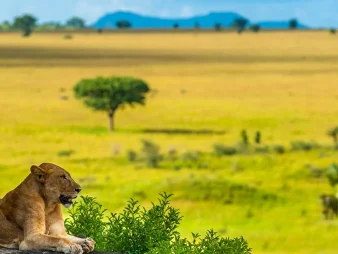
Tsavo West isn’t just another safari park. It blends the classic wild Africa — elephants on the plains, lions under acacia trees — with raw, dramatic geological landscapes: lava flows, springs bursting from solid rock, volcanic ridges, deep bush and rocky slopes.
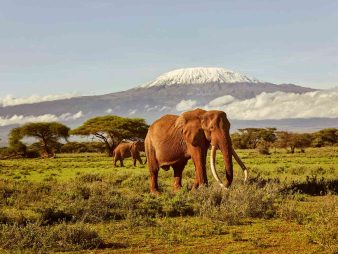
This diversity means you can watch huge herds of elephants, stalk black rhinos, spy rare antelopes, float past hippos underwater, hike across hardened lava, stroll woodlands in search of birds, and end the day watching golden sunsets over a wild horizon.
Whether you come for big game or subtle wildlife, for geology or birdlife, for sweeping landscapes or quiet moments — Tsavo West offers layers of experiences. It gives a safari that feels alive, unpredictable, wild and real.
For a traveller seeking more than the usual — a safari that pulses with wilderness, raw beauty and deep, varied life — Tsavo West stands out.